Take Control Over Alcohol
With Hypnosis
Ready to just forget about drinking?
Wish you could just stop thinking about alcohol?
Want to stop the pain and sadness that leads you to drink?
Need to put an end to alcohol controlling you?
Or would you like to cut down, enjoy “just one” and stop?
I can help




Do You Have a Drinking Problem?
...



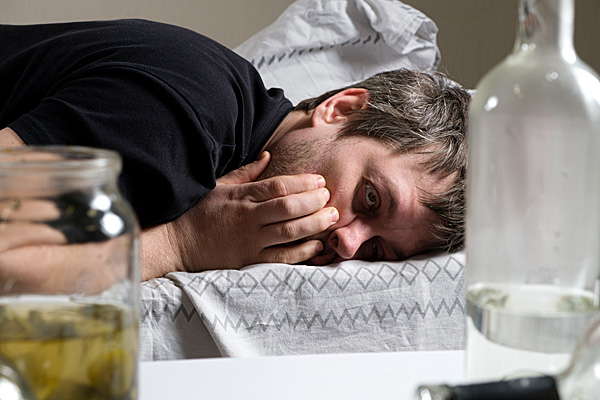

Anxiety Disorders and Alcohol Abuse

...
Are people with anxiety disorders more likely to suffer from alcohol abuse than the general population and vice versa?
People with anxiety disorders are two to three times more likely to have an alcohol or other substance abuse disorder at some point in their lives than the general population, and vice versa. However, as explained in more detail later in this piece, the risk and prevalence of alcohol abuse is more common among people with certain anxiety disorders than others.
Which occurs first in people with co-occurring disorders – the anxiety disorder or alcohol abuse?
...
What added difficulties can arise from having both alcohol abuse and anxiety disorders?
Having both an anxiety disorder and alcohol abuse disorder can have a “vicious cycle” effect. For example, someone with an anxiety disorder may use alcohol to alleviate their anxiety symptoms, causing them to experience more anxiety as a side effect of using these substances, which then leads them to drink more alcohol. Other complications may include:
...
Can an anxiety disorder and substance abuse be treated at the same time and by the same professional?
Many professionals will suggest treating these conditions at the same time to offer the best chance for successful recovery and lessen the chance of relapse, particularly when one disorder is not causing the other. (For a substance-induced anxiety disorder, the substance abuse would be addressed first because the anxiety should improve after abuse terminates). Many professionals or treatment teams can treat these disorders together. Ask your doctor if he or she can treat both conditions by him/herself, or in conjunction with another professional as part of a treatment team.
What treatments are available for people suffering from both?
Researchers are still exploring how to best treat people with both conditions. Many therapists will attempt to use non-medication treatments for people with both anxiety and substance abuse disorders because of the increased risk for abuse of medication among substance users. When prescription medications are used, therapists aim to use ones that have low abuse potential and that are safe if taken with abused substances should a person relapse into alcohol or drug use. (Note that even when considered “safe” by an interaction standpoint, medications that treat anxiety and/or substance abuse are less effective when used with alcohol or drugs.
The above article is from ‘Anxiety Disorders and Alcohol Abuse’ from the ADAA.org
a copy of which can be found at: myptsd.com.
Facts about Alcohol:
Alcohol contributes to 100,000 deaths annually, making it the third leading cause of preventable mortality in the U.S., after tobacco and diet/activity patterns (J McGinnis & W Foege, “Actual Causes of Death in the United States,” Journal of the American Medical Association (JAMA), Vol.270, No.18, 11/10/93, p. 2208).
Among 9,484 deaths attributed to non-medical use of other drugs in 1996, 37% also involved alcohol (SAMHSA, Annual Medical Examiner Data 1996, 7/98, p. iii).
Drugs and Alcohol at Work
...

Questionnaire
Do you have a problem with drugs or alcohol?
Take a moment to ask yourself the following questions. Be sure to read through them all and be honest about your answers.
...The Components of Alcohol Abuse and Treatment
Alcohol abuse has several definitions. The definitions may even be conflicting. Historically, alcohol abuse refers to any condition which results in the continued consumption of alcohol despite recurrent negative outcomes.
Medical communities describe alcohol abuse as a physiological disorder which causes difficulty in controlling alcohol consumption. Another definition states that alcohol abusers may not be able to perceive the negative effects of their alcohol consumption and therefore continue with their behavior including a compulsion or preoccupation with alcohol. Though the ingestion of alcohol is essential to developing abusive drinking, drinking will not necessarily precede overuse. The amount of alcohol and the frequency with which alcohol is consumed changes for each person.
...
There are two patterns of drinking that cause harm:
Binging (drinking more than 5 drinks in a short time such as 1 – 2 hours).
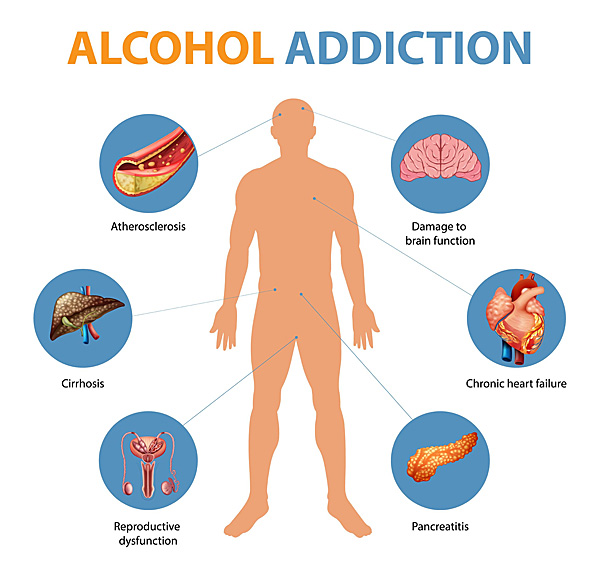
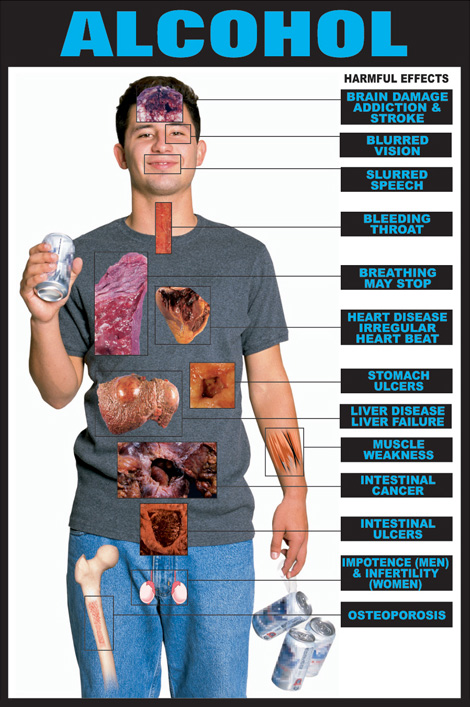
Regular excessive drinking can result in damage to many body organs, especially the liver. The National Health and Medical Research Council (NHMRC) advises that men consume less than 4 standard drinks (40g alcohol) per day and women less than 2 standard drinks (20g alcohol) per day.
Women are more susceptible to damage from alcohol than men because they break alcohol down (metabolise it) more slowly.
These recommendations are supported by a number of other bodies including the National Heart Foundation and the Medical Association.
Why do some people drink too much?
The use of alcohol is very much a part of the American way of life and is actually encouraged by peer pressure and advertising. Many people use alcohol to change how they feel about themselves and about life and for some with a strong family history of alcohol dependence, genetic factors can influence drinking patterns. Once excessive alcohol use has become a habit, this behavior can develop its own momentum.
What effect does alcohol have on the body?
Intoxication (getting drunk)
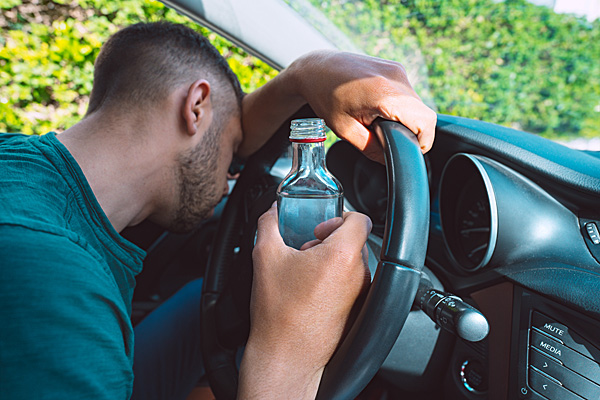
The immediate effects of alcohol depend upon the amount of alcohol in the blood and whether the person is an experienced drinker. As the blood alcohol rises, some drinkers feel more relaxed and are often more talkative. They become less aware of their behavior and judgement is often impaired. Loss of co-ordination and drowsiness may occur. The risk of accidents rises, particularly for those involved in operating machinery and driving cars. An individual with a blood alcohol level of 0.05 has twice the risk of having a motor vehicle accident as one with a blood alcohol level of zero.

Long term effects
...
Prevention
Prohibition of any drug including alcohol has been shown to do nothing to reduce the harm caused by that drug and may actually make matters worse. Alcohol can be part of a healthy lifestyle if it is used in moderation. Some people are able to moderate their drinking; some people need to stop drinking altogether. Only you can decide what you are capable of consuming.
...

Alcoholic Liver Disease
...Cirrhosis
...Alcohol Statistics
...Alcohol–Alcohol Use Test
Take our quick self-test below and find out the answers to these questions and many more. Our self-test will allow you to assess your own beliefs, attitudes, and behaviors concerning alcohol use so that you can understand how you can make changes that will help you live a more healthy lifestyle. Keep in mind the test is for your eyes only, so please answer each question honestly.
The Alcohol Use Disorders Identification Test was developed and evaluated over a period of two decades by the World Health Organization. It has been found to provide an accurate measure of risk across gender, age, and cultures.
Select your answer for each question:
...General Guidelines
Please be advised that one should never drink under these circumstances:
- When pregnant or attempting to conceive
- When driving or operating machinery
- When using medications, including over-the-counter
- When recovering from alcohol dependence
- When a contra-indicated medical condition is present, such as peptic ulcer
A standard drink is considered to be:
- 12 ounces of beer
- 5 ounces of wine, or
- 1.5 ounces of distilled liquor
Keep in mind that alcohol affects men and women differently, depending on age, gender, physical condition, amount of food consumed, any drugs or medication. For women, changes in their monthly menstrual cycle can alter the affect that alcohol has on them.
Health tips:
...


Treatment
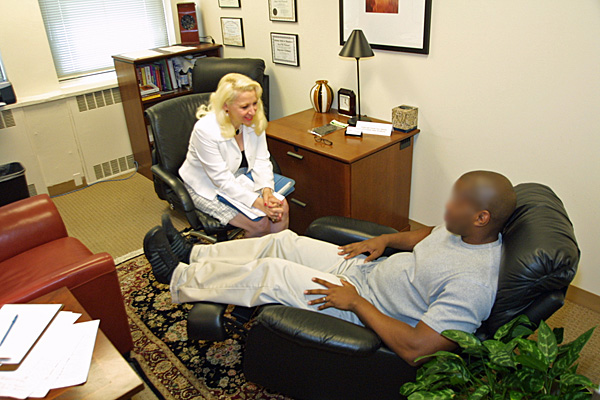
Alcohol abuse is an extremely complex issue and often requires a range of treatments. Any behavior change takes commitment, whether it is changing diet, giving up smoking, starting an exercise regime or modifying drinking habits.
The first step in treatment is the recognition by the person that drinking could be causing harm – both to themselves and to people around them. Fortunately today, there are many choices available in regard to treatment.
Options range from complete abstinence (for people with a severe drinking problem) to controlled drinking where people learn what triggers excessive drinking and how to change their response to these triggers and thereby moderate their drinking. Hypnosis is a very effective method to successfully take control and change those responses.


Share this page…